English

Gazeta Express
05/08/2026 17:07Exclusive Interview: Sorensen: A Kurti–Vucic meeting only when they are ready for concrete results, neither side should wait for the other to implement the agreements
English
Gazeta Express
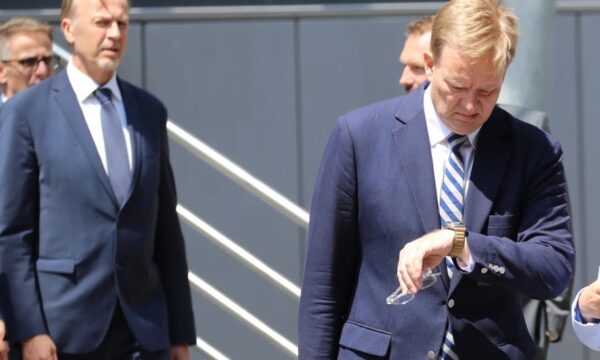
05/08/2026 17:07Kosovo-Serbia Dialogue Envoy Peter Sorensen, in an exclusive interview with Gazeta Express, his first written interview and the first one with a media outlet in Kosovo, said that the implementation of obligations from the normalization process between Pristina and Belgrade is below the level to which the parties have committed, and that the implementation of agreements is delayed. The Danish diplomat said he has made this clear to both Kurti and Vucic.Unlike his predecessor, Miroslav Lajčák, who urged Kosovo to begin first with the establishment of the Association of Serb-majority municipalities, followed by Serbia’s actions, Sorensen clarified that it is not a matter of who moves first, and that neither side should wait for the other. He said that the implementation of agreements is binding and emphasized that intervention from high-level EU officials, such as Ms. Kaja Kallas, in seeking progress, cannot replace the work that Kosovo and Serbia themselves can carry out. Regarding a high-level meeting, Sorensen said it will be scheduled only when the leaders of Kosovo and Serbia are ready to achieve concrete results, and that both of them know what they need to do in order to make that happen.
Interviewed by: Besnik Velija
Gazeta Express: Are you satisfied with the progress of the Dialogue since your appointment as the EU Special Representative for the Belgrade–Pristina Dialogue?
Peter Sorensen: Satisfaction is not the measure: delivery is. And since I took office, there has been delivery. The Joint Commission on Missing Persons met trilaterally for the first early this year – that matters enormously to families who have waited decades for answers about their loved ones. We also found a temporary solution for Serbian citizens working and studying in Kosovo, who can now obtain work and residence permits. So, the Dialogue is producing results for people.
But I will be equally direct: on the core obligations under the 2023 Agreement on the Path to Normalisation, implementation remains well below what both Parties committed to – and what their citizens deserve. I have told both Belgrade and Pristina exactly that, and my focus now is on facilitating the Parties to turn those commitments into facts on the ground.
Gazeta Express: Has the fact that Kosovo has been in a political deadlock for the past two years had a negative impact on the Dialogue process?
Sorensen: My mandate is to assist the High Representative in facilitating the Belgrade-Pristina Dialogue, and I comment only on what is relevant to that process – the domestic politics of their Party are for their citizens and institutions. But the question does touch the Dialogue, so let me state two things: first, decisions of consequence require fully mandated institutions, and a prolonged caretaker period narrows what can be decided and delivered. Second – and this is the essential point – the obligations under the Agreement bind Belgrade and Pristina, not just governments of the day. The obligations do not pause for an electoral calendar or coalition talks. That applies in Pristina, and it applies equally in Belgrade. My job is to keep the process moving regardless – and it has continued to deliver.
Gazeta Express: We saw you on an unannounced visit in Kosovo last week [ Questions for this interview been sent in July, few days after Sorensen’s visit in Prishtina]. PM Kurti office confirmed that you talked about the Serbian community prosecutors and their participation in Kosovo institutions. What was your position on this matter, was it a wrong move by Serbian community officials leaving their positions back in 2022 and do you support Kosovo on having new call for those vacant positions, instead of getting back to job same persons without a new public call, in which can apply also other Serbs?
Sorensen: As a general rule, I do not announce my meetings. My interlocutors might, but I don’t. Quiet diplomacy is often what serves the process best. On the substance, the EU’s position is clear and public. Kosovo’s own constitution requires a multiethnic justice system. The EU has consistently called on Kosovo to enable the reintegration of Kosovo Serb judicial personnel – in line with Kosovo law and in line with the Dialogue agreements, including with the 2013 Brussels Agreement and the 2015 Justice Agreement, in force since 2017. We welcomed the withdrawal of the resignations of the Kosovo Serb judges and prosecutors on 15 July. We were concerned by what followed. Accepting resignations that had already been withdrawn appears incompatible with Kosovo’s own law and with due process. That is a rule-of-law point, not a political one.
I will not relitigate 2022, and I will not prescribe the procedure. It is for Kosovo’s institutions to act in line with their constitution and their law. What the EU will assess is the outcome: a genuinely multi-ethnic judiciary and prosecution service in which the Kosovo Serb community is effectively represented – and in which it trusts.
Gazeta Express: What is happening with the implementation of the Ohrid-Brussels Agreement, specifically its Implementation Annex?
Sorensen: Implementation is not where it should be. And implementation is not “optional”. Both Parties know this; the EU and Member States have said it many times. The 2023 Agreement and its Annex remain in force. They are legally binding on both Parties, and they are an integral part of each Party’s European path. The passage of time changes nothing.
Gazeta Express: Is it still the official position of the European Union that Kosovo should be the first to begin implementing the Agreement, in line with the agreed Implementation Annex?
Sorensen: This is not about who moves first. Neither Party needs to wait for the other one. For Kosovo, the Annex is explicit for example on how to implement Article 7 – I quote “Kosovo launches immediately negotiations within the EU-facilitated Dialogue on specific arrangements and guarantees ensuring an appropriate level of self-management for the Serbian community”. That obligation stands. Serbia’s obligations – including not objecting to Kosovo’s membership in international organisations, and accepting Kosovo’s documents and symbols – run in parallel. They are equally overdue.
Gazeta Express: What should be the first step that Kosovo needs to take as part of the implementation of the Agreement?
Sorensen: To demonstrate openness on its own obligations. That is not a concession, it is a commitment freely made. And starting does not prejudge the outcome.
Gazeta Express: Have you made it clear to Prime Minister Kurti that Kosovo should be the first to move forward with the implementation of the Agreement, if yes what is his position?
Sorensen: As I said, it is not about Kosovo moving first. Both Parties must move – without pre-conditions, and in good faith. I have set out the EU’s expectations to every interlocutor in Pristina, as I have in Belgrade: at every level, consistently, without ambiguity. It is for the Prime Minister to state his own position publicly; I will not do it for him. What I can say is this: the obligation is on record, it is understood, and it is unfulfilled.
Gazeta Express: Do you expect any kind of progress soon in Dialogue, seeing the inflammatory language is coming from Serbian president itself, and also from ministers like Mrs. Paunovic. What is your comment on the “ethnic cleansing” statement?
Sorensen: Let me repeat what the EU has said officially: there is no place in Europe for rhetoric that advocates, justifies or relativises ethnic cleansing. Such statements insult victims and survivors. They are incompatible with a European path. They run counter to obligations freely undertaken in this Dialogue. This applies to inflammatory language from whichever side it comes. Words of this kind are not free. Their price is paid by those who must live alongside each other long after the statements are forgotten.
Gazeta Express: When can we see a restart of the Dialogue process on the High-Level?
Sorensen: A high-level meeting is not a reward, and it is not a photo opportunity. It is convened when it can help produce something – big or small. The High Representative has been clear: she is ready to convene one when circumstances allow and when both leaders are ready to deliver. I will not put a date on it. Both Parties know precisely what is needed to get there.
Gazeta Express: Is Mrs. Kaja Kallas aware about the situation in Dialogue, is she satisfied as the Head of EEAS, can we see her getting involved in the process as part of EU aim for normalization between Kosovo and Serbia?
Peter Sorensen: The High Representative is fully briefed – I report to her, and normalisation is firmly on her agenda. My mandate is to facilitate and to support her; hers is to set the political direction, and she engages at her level when it is useful. But I would caution against the assumption: that engagement higher up the EU chain substitutes for decisions only the Parties themselves can take. No external actor can implement these agreements on their behalf. Only Belgrade and Pristina can.
Share Now


Të tjera nga rubrika
Exclusive Interview: Sorensen: A Kurti–Vucic meeting only when they are ready for concrete results, neither side should wait for the other to implement the agreements
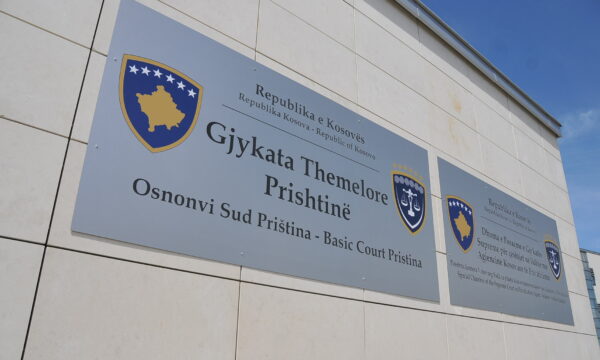
The Basic Court dismisses the indictment against Klodian Allajbeu, Ekrem Lluka and others

Jessica Simpson Takes Lookalike Daughter to Paris For 13th Birthday Amid Divorce
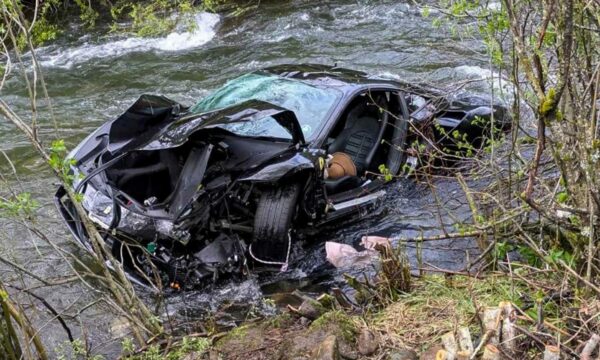
British couple die after Ferrari plunges off mountain in Spain
Tariffs Temporarily Cut As Talks Narrow Differences
Argentina’s top court finds 80 boxes of Nazi materials in its basement
Te fundit
Qytetarët: Jemi lodhur nga zgjedhjet
Botërori 2030 në mes të një skandali të ri, Infantino nën akuza
Ministria e Mjedisit ua shkëput kontratat e punës 9 zyrtarëve, Pacolli: Kanë munguar vazhdimisht në punë
Abdul El-Sayed sfidon establishmentin e partisë, fiton betejën brenda demokratëve në Michigan! Debate për financimin nga AIPAC
Arifi: Kurti nuk e ka problem rrenën, por vështirë se do t’i shitet