Headaches, chest pains, or back pain are common problems and, in most cases, are nothing serious. However, according to doctors, in some cases these pains can be a sign of an urgent and potentially life-threatening condition.
According to Dr Ellie Cannon, a family doctor based in London, it is essential for patients to know when a pain can be ignored and when it requires immediate medical intervention.
“Most pains are not worrisome and often do not require treatment,” she explains. “But in rare cases, they can indicate something serious. That’s why it’s important to know the warning signs.”

Here are five types of pain that should not be ignored.
1. Chest pain
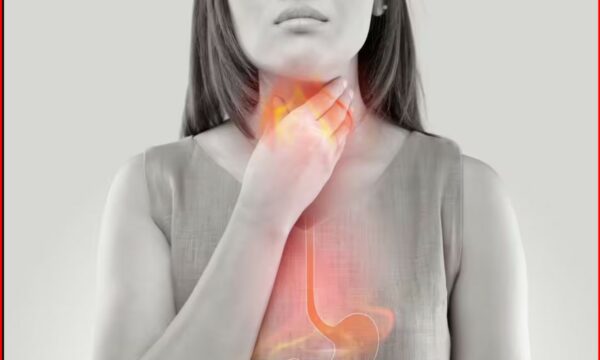
Chest pain is often caused by heartburn or digestive problems. However, experts emphasize that sudden and persistent chest pain always requires urgent medical attention.
According to the NHS, pain that lasts more than 15 minutes and spreads to the jaw or left arm could be a sign of a heart attack. Some patients also experience severe heartburn.
Sharp chest pain that worsens when breathing or coughing may indicate a pulmonary embolism, a condition in which a blood clot blocks a blood vessel in the lungs. This is often accompanied by shortness of breath or coughing up blood.

“Many people have a heart attack without realizing it right away,” says Dr. Cannon. “Emboli are rarer, but they require immediate treatment.”
2. Abdominal pain
Some pain in the abdominal area – between the chest and pelvis – can be very dangerous.
Sudden pain in the upper right abdomen that radiates to the shoulder could be a sign of gallbladder inflammation. If left untreated, this condition can lead to a serious infection.
Cramping pain that comes in waves may indicate an intestinal blockage, especially if accompanied by vomiting or severe constipation. In these cases, emergency surgery is often needed.
In young women, severe pain in the lower abdomen can be a sign of ectopic pregnancy, a very dangerous condition that can cause internal bleeding.
In men, sudden pain in the lower abdomen may be related to testicular torsion, an emergency that requires immediate surgery to avoid loss of the testicle.
“If abdominal pain is caused by something serious, it is usually unbearable,” explains Dr. Cannon.
3. Back pain
Back pain affects about a third of adults each year and is usually not dangerous. However, if it is accompanied by certain specific symptoms, it may indicate a serious problem.
Back pain accompanied by numbness around the genitals, new problems with urination or defecation, or pain in both legs, could be a sign of cauda equina syndrome – a condition where the nerves at the end of the spine are compressed.
Without urgent surgical treatment, this can lead to paralysis and sexual problems.
Meanwhile, a sudden and very severe pain, described as "tearing" in the back or between the shoulder blades, may indicate aortic dissection, a life-threatening condition.
4. Headache
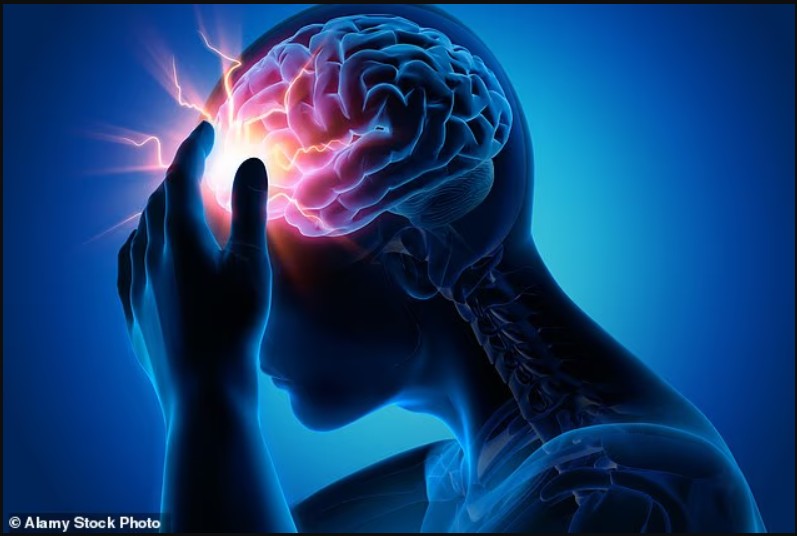
Headaches are very common and are often related to dehydration, viruses, or fatigue. Migraines affect about 15 percent of the population.
But, according to doctors, a sudden and extremely severe headache – known as a “thunderclap headache” – could indicate bleeding in the brain.
Headache accompanied by facial weakness, arm numbness, or difficulty speaking may be a sign of stroke and requires emergency transportation to the hospital.

Headache with fever, vomiting, and sensitivity to light may indicate meningitis.
“These pains should never be neglected,” emphasizes Dr. Cannon.
5. Calf pain
The most common cause of calf pain is muscle strain, often after physical activity. But if the leg is swollen or warm, it could indicate deep vein thrombosis – the formation of a blood clot in the leg.
This condition is dangerous because the clot can break off and reach the lungs.
Thrombosis is more common in people over 50 years of age, but it can also occur in young people, especially after prolonged immobility, surgical interventions, or in cancer patients.
“Many people don’t recognize the signs of thrombosis,” warns Dr. Cannon. “Physical changes in the calf of the leg can signal something very serious.” /GazetaExpress/









 t7 live