Eurovision turns 70 and remains one of the most unusual spectacles in the world: A competition where pop, metal, extravagant costumes, national emotions and moments that turn into viral stories coexist.
Some of the festival's most famous figures have recounted their behind-the-scenes stories, from Lordi's victory to Britain's "nul points" and Graham Norton's modest booth.
"My performance was the worst I've ever given"
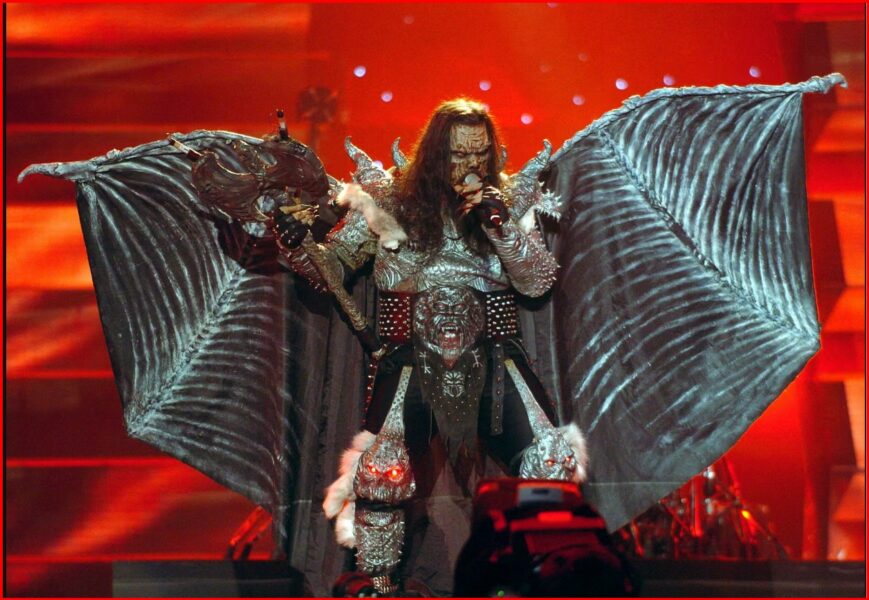
Mr Lordi, the frontman of Finnish band Lordi, who won Eurovision in 2006, says the band never believed they could win the national competition in Finland. According to him, they entered the competition mainly to get some TV attention for their new album. But they ended up winning the public vote by a landslide.
When they arrived in Athens, the international media was already intrigued by their appearance. The band members would enter the press room in full monstrous costumes and journalists would run towards them. At first, they thought this was normal, but later they realized that they were attracting attention, and there were even official complaints.
Mr Lordi says they knew they had a chance to win, but the final night performance was not at all what he would have liked. He had a fever and the latex suit made him feel like he had a “portable sauna” with him. According to him, the suit did not allow his body to breathe and looked like “a condom the size of his body”. He failed to do the screams and high notes properly, so even after almost two decades he remains unhappy with that performance.
The victory was extraordinary for Finland, a country that had never believed it could win Eurovision. In fact, a square in his hometown was named in his honor. But within a year, negative reactions began. Some metal and rock fans accused them of "selling out," and then the general public began to turn their backs on them. For several years, Lordi did not hold any concerts in Finland, because no one wanted them.
He admits that this was very difficult to deal with, especially because the song was not written for Eurovision and everything they did came from the heart. For years, the band's bassist would walk away from interviews whenever Eurovision was mentioned. However, today Mr Lordi says he has come to terms with that chapter and is proud that the band is part of the festival's history.
"I became Epic Sax Guy, but I didn't know what a meme was"
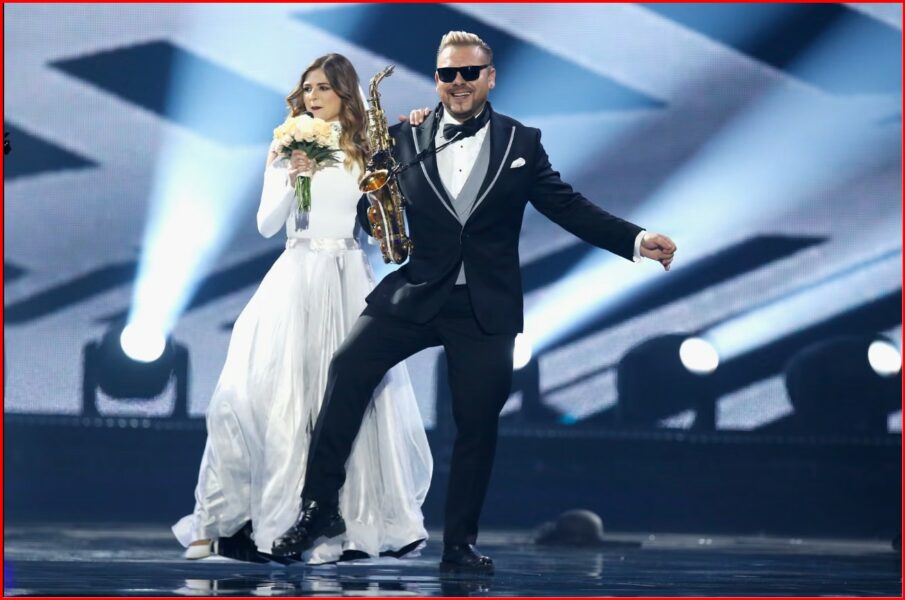
Sergey Stepanov, the saxophonist of the Moldovan band SunStroke Project, says that participating in Eurovision has been a dream of his since childhood. He watched the contest with his mother, and the artists performing seemed to him like “people from outer space.” In Moldova, he says, Eurovision is watched by everyone and the cities calm down as people stay home to vote.
SunStroke Project first participated in Oslo in 2010. The band didn't have much money, so the only way to be remembered was through their energy, music, and fun atmosphere on stage. They came in 22nd place and were happy to have received so much attention.
After returning to Moldova, a friend told Stepanov that he had become a meme and that in the US he was being known as “Epic Sax Guy.” Until then, he didn’t know what a meme was. But videos of him playing the saxophone received millions of views, and suddenly the group became internationally famous.
In one case, after a performance, two large men tried to start a fight with the band. Stepanov told them, “I’m Epic Sax Guy,” and one of them responded by telling him he had “the best sex of his life” to his music.
When SunStroke Project returned to Eurovision in 2017, just before they were due to take the stage, the producers gave them a phone call. It was the president of Moldova, who asked them if they were ready to perform a miracle. They took the stage and came in third. Upon returning to the country, they were invited to the presidential palace and received a medal, the highest honor for a musician in Moldova.
Stepanov says Eurovision changed his life. The moment he started his moves on stage in 2017, the audience screamed so loudly that he couldn't even hear the saxophone. Even today, when he remembers that moment, his body shudders.
"He stood up in his chair and started splashing beer"
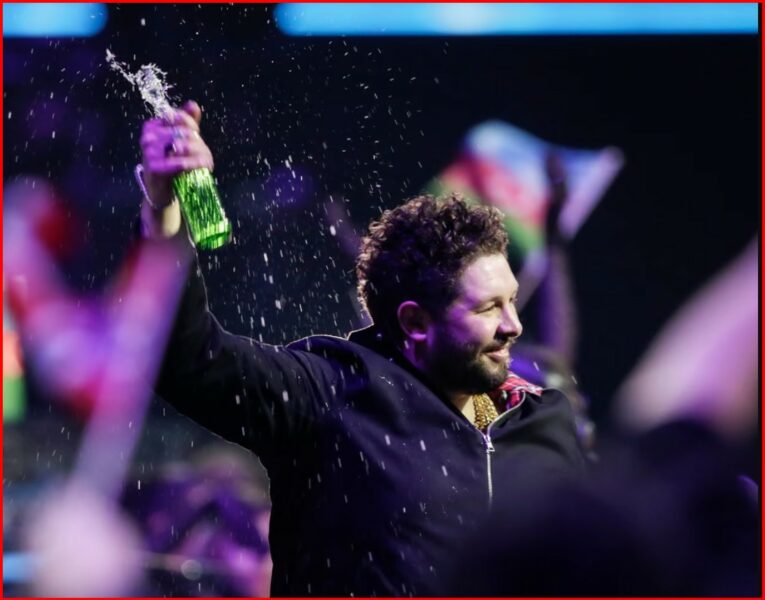
James Newman, Great Britain's representative in 2021, became the second British act to receive "nul points", meaning zero points.
He remembers driving when he heard the news on the radio that Eurovision had been cancelled due to the pandemic. He stopped to check his phone and realized it was true. This was a huge blow, because the song had already been performed on Radio 2 and a video had been made with Wim Hof, whom Newman greatly admired.
A year later, he returned to represent Britain. Entering the competition, however, was stressful due to Covid measures. Everyone had to go through a large quarantine tent and if anyone on the team tested positive, the whole group had to go home.
The day before the final, Newman really thought he could win. He had performed a song in the Netherlands with DJ Armin van Buuren and thought he had local support. In a vote for favorite act, he came first, which boosted his hopes.
On the final night, the arena cheered him on and he thought his performance had gone well. But then the voting began and things got worse. When it was announced that Britain had received zero points, it was a difficult moment. However, Newman had had a few beers and decided to take it in stride. He stood up on his chair, started splashing beer and the whole hall applauded him.
The next day, at the airport, he was a little tired and wearing sunglasses, but people approached him with kind words. The flight attendants gave him champagne and a card that said "Bravo." Even in Britain, the reception was warmer than he expected.
On the Monday after Eurovision, his manager wrote that Chris Martin wanted to call him. Newman wondered if it was Coldplay's Chris Martin. They spoke on video and Martin told him not to be upset, because he knew what it felt like. Newman describes the conversation as extraordinary, as one of the greatest songwriters told him he had enjoyed his performance.
“Father Ted did a sketch about him”
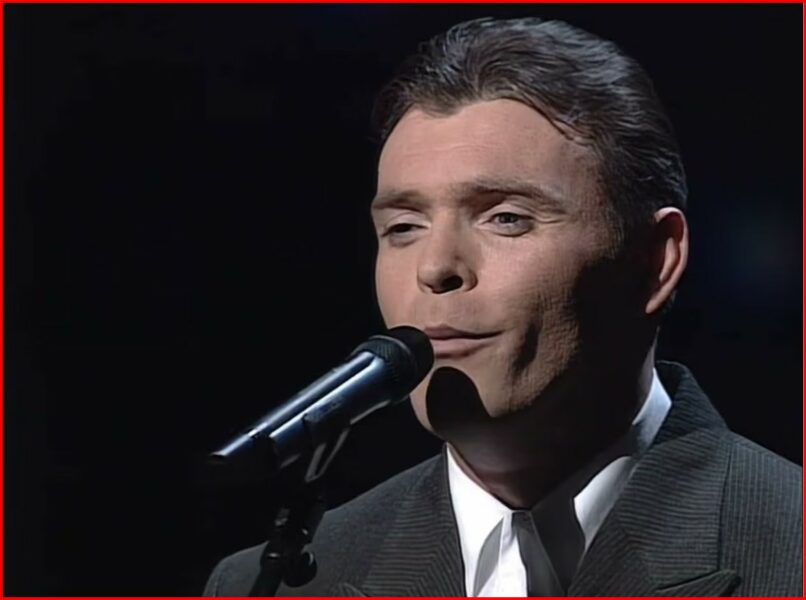
Eddie Friel represented Ireland in 1995 and came in 14th. It was the third consecutive year that Ireland hosted Eurovision.
He says that two friends had written a song and asked him to sing it for a demo. Without his knowledge, they sent the song to the Irish contest. Friel sang it there too and won. Journalists asked him how he felt about going to Eurovision, but he initially said that he had no intention of going. In the end, however, he accepted the course of events.
Before the festival, there was a kind of Eurovision fatigue in Dublin. Ireland had won several times in a row and there were rumors that RTE could not afford another victory. Friel calls these rumors baseless, because according to him the budget was there. However, the public in Dublin was somewhat tired of the idea of another Eurovision in the country.
The overall experience was very good. On the night of the competition, Friel was calm and, although the song did not come close to winning, he was invited to Brussels, Antwerp and Amsterdam afterwards for interviews and parties.
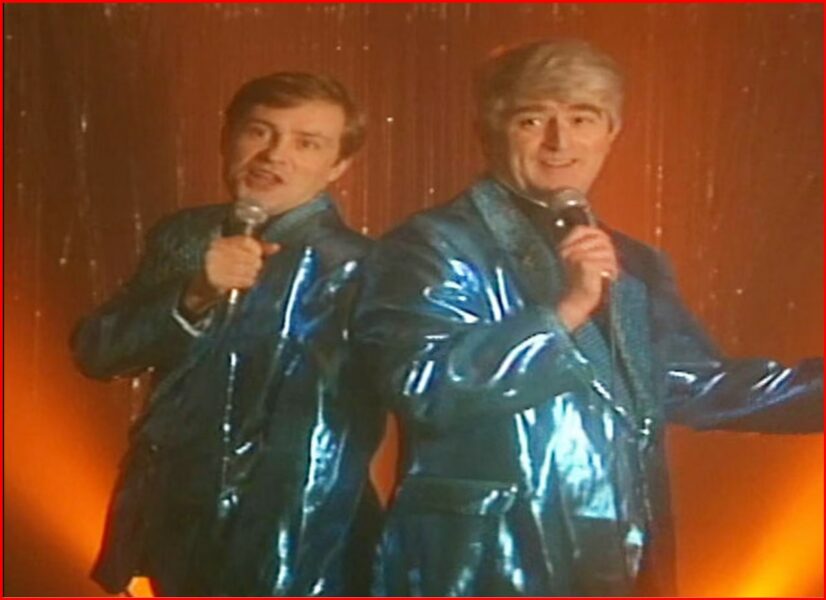
After the competition, he returned to his normal life, giving piano concerts around Europe. A few years later, an Australian girl told him that the TV series “Father Ted” had done a sketch based on his song. He saw the episode “My Lovely Horse” and says he was clearly inspired by its story. There was even a humorous line about the fact that RTE could not afford to win again. Friel took it in good humor and described it as something brilliant.
“It sits in what is actually a garden shed”
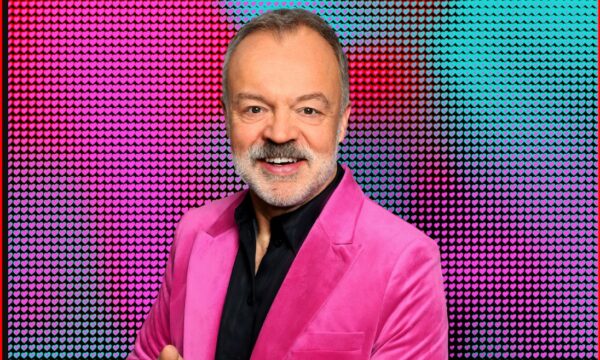
Graham Norton, the BBC's official Eurovision commentator since 2009, says that the first time at the festival is overwhelming. From the outside you might think it's like a big concert, but when you get there you realise it's more like the Olympics. Eurovision takes over a city for weeks and is unlike anything else.
He says that in Europe many people think that he makes harsh comments during the broadcast, but this is also related to the legacy of Terry Wogan. Norton insists that he does not make fun of everything. If something is good, he says it. According to him, it has become harder to make fun of Eurovision, because the level of competence has increased. It used to be more fun when the presenters were weaker or when the job was given to someone who did not know how to present.
However, he occasionally makes scathing comments. The problem, Norton says, is that other countries wouldn't even know what he said unless a journalist called the relevant embassy to ask how they felt about the comment. He admits that one year he was a bit harsh with Italy, and that didn't go over well.
The best part of commentating is being in the audience. He describes it as the best seat in the house and the feeling of being a small part of a big circus. Norton says he loves feeling like a very distant relative of the Eurovision family.
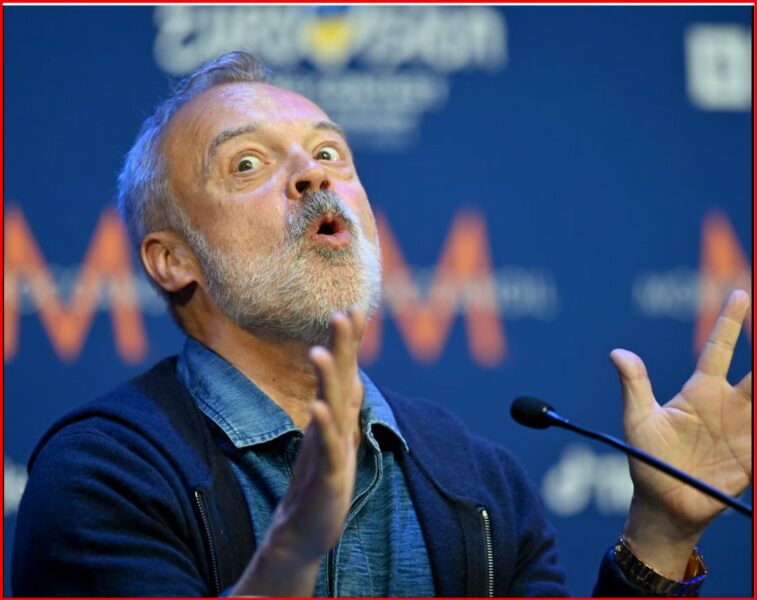
However, the reality of the commentator's booth is anything but luxurious. While the race is all glitzy, he sits in what he calls "a garden shed," a tiny space with plexiglass windows. Sometimes there's air conditioning, sometimes not. There's never enough space, his notes are a mess, and he's constantly trying to remember who sang for Greece that year. He says it's the biggest TV show in the world, but it's broadcast as if it were "under the stairs."
One of the key lessons he's learned is finding out which plane the British representative is returning on and choosing a different one. That's a lot of time to spend with someone who's probably not happy with the outcome, he says. There's only so much positive stuff you can say, and you've probably said it all before you even check in.
As for retirement, Norton humorously says it will all depend on the bladder. He hasn't taken a bathroom break while commentating since 2009 and, as long as he can stay up for four hours without a break, he can keep going. /GazetaExpress/



 t7 live